- see contact page
- Currently offline
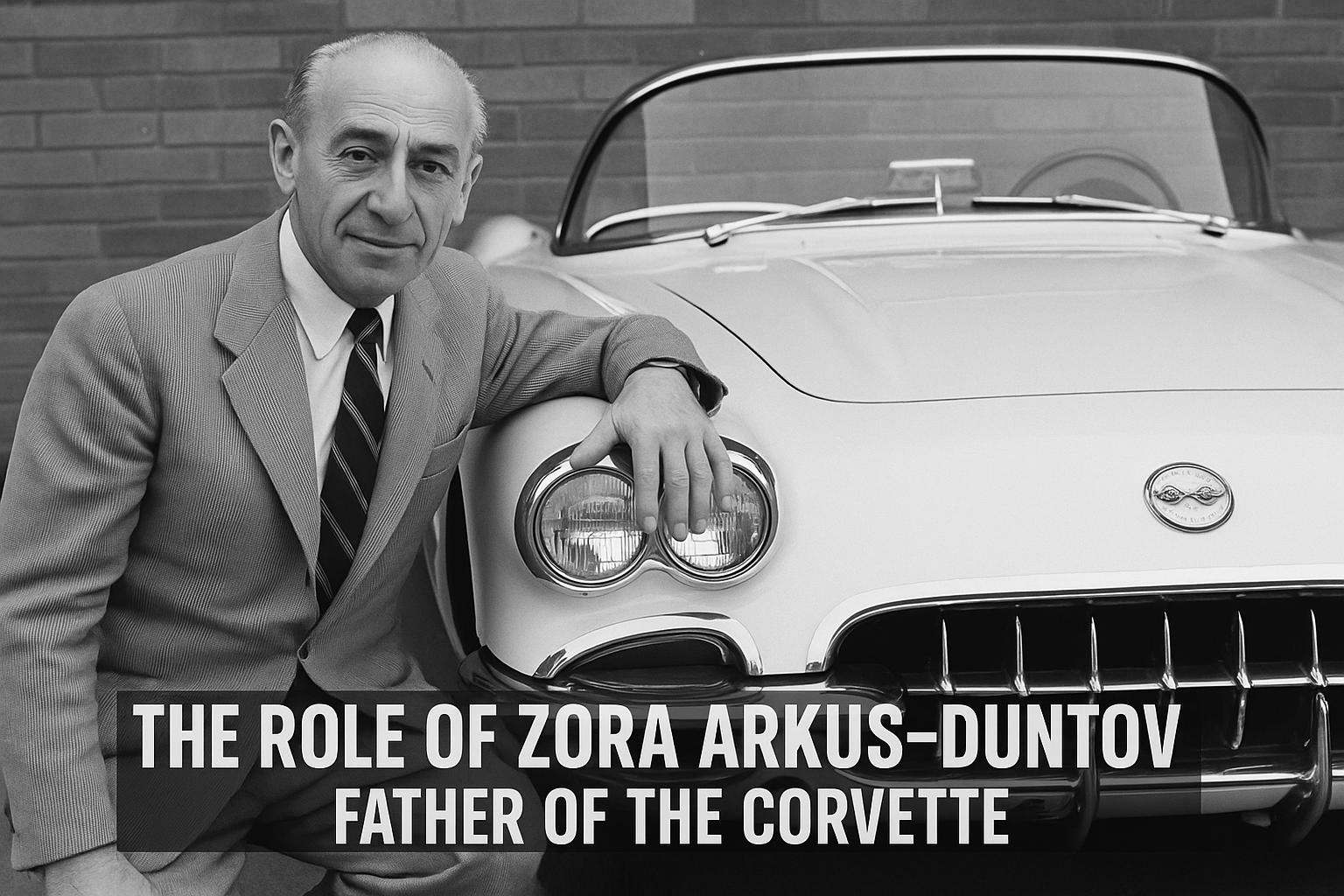
The role of Zora Arkus-Duntov, the “Father of the Corvette.”
Zora Arkus-Duntov: The Visionary Engineer Behind the Corvette
Zora Arkus-Duntov is a name that resonates deeply in the automotive industry, particularly when discussing the iconic Chevrolet Corvette. Often referred to as the “Father of the Corvette”, Arkus-Duntov’s influence expanded the sports car’s reputation and capability, playing a critical role in transforming it from a modest roadster to a high-performance vehicle. To understand the profound impact of Arkus-Duntov, it is essential to examine the various phases of his life and career that paved the path for his monumental contributions to the automotive world.
Early Life and Educational Background
Born in Belgium in 1909, Zora Arkus-Duntov was introduced to a multicultural upbringing that significantly shaped his world view. Although he was born in Belgium, Arkus-Duntov spent a considerable part of his childhood in Berlin, Germany. This environment, intertwined with industrial and automotive advancements, ignited his early fascination with engineering.
His zeal for mechanical engineering led him to pursue further education in France. Arkus-Duntov studied at the Institut National des Sciences Appliquées, one of France’s premier engineering institutions. This educational journey equipped him with fundamental engineering skills and technical prowess, laying a solid foundation for his future endeavors. The European automotive scene during the early 20th century was replete with technological innovations and developments, exposing Arkus-Duntov to a plethora of innovative ideas and engineering paradigms.
In 1940, the uncertainties and chaotic upheavals brought about by World War II prompted Arkus-Duntov to relocate to the United States. Acquiring American citizenship during this transition, he found new opportunities in a burgeoning automotive landscape in North America. The move to the U.S. not only provided him with a fresh start but also opened avenues to apply his engineering expertise in diverse industries.
Contributions to General Motors
After years of honing his engineering skills, Zora Arkus-Duntov joined General Motors in 1953. It was a time of innovation and transition within the automotive industry, and Arkus-Duntov’s arrival at GM coincided with the introduction of the very first Chevrolet Corvette. Initially, the Corvette did not make a significant impact on the market. It was perceived as an attractive roadster but did not deliver the performance levels that sports car enthusiasts desired. This situation, however, presented Arkus-Duntov with a unique opportunity.
Seeing the potential in the Corvette, Arkus-Duntov dedicated his efforts to transforming it into a competitive sports car. His innate passion for engineering and his unwavering vision for the future of the Corvette were instrumental in steering the vehicle’s evolution. By leveraging his vast knowledge and experience, Arkus-Duntov was able to address the performance deficits of the original Corvette, marking the beginning of a series of pivotal enhancements to its design and engineering.
Performance Enhancements
One of the key drivers behind the Corvette’s transformation was Arkus-Duntov’s focus on performance enhancements. He was committed to elevating the vehicle’s capabilities through systematic and strategic engineering improvements. A notable milestone in this journey was the introduction of the V8 engine into the Corvette lineup. This engine, known for its robust power output and efficiency, significantly amplified the car’s performance metrics.
Beyond the V8 engine, Arkus-Duntov was deeply invested in improving the Corvette’s aerodynamics and handling. By refining the vehicle’s design, he rendered it more agile and stable at higher speeds, which was a critical aspect in distinguishing the Corvette from contemporary sports cars. Another of his groundbreaking innovations was the development of the “Duntov cam,” an advanced camshaft design that enhanced the engine’s power and increased the car’s top speed. These technical achievements underscored Arkus-Duntov’s commitment to pushing the boundaries of automotive engineering.
Legacy in Motorsports
Zora Arkus-Duntov’s visionary approach extended beyond engineering enhancements; he also envisioned a prominent place for the Corvette in the world of motorsports. His advocacy for incorporating racing capabilities into the Corvette was pivotal in transforming the car’s identity. Under Arkus-Duntov’s guidance, the Corvette forayed into the competitive arena of motorsports, a decision that would prove to be monumental in its historical development.
He recognized that racing not only tested a vehicle’s performance limits but also served as a catalyst for innovation. Arkus-Duntov’s encouragement for Corvette’s participation in prestigious racing events such as Le Mans was not driven by mere ambition but rather by a strategic insight into how motorsports could elevate the brand’s stature. The Corvette’s participation and subsequent success in racing circuits substantially solidified its reputation as a formidable sports car. These accomplishments in motorsports also contributed to the growing popularity and global recognition of the Corvette.
Enduring Impact
Zora Arkus-Duntov retired from Chevrolet in 1975 after a storied career marked by transformative achievements. However, his legacy and impact on the Corvette transcend his tenure at GM. The Corvette’s design and development philosophy today is still heavily influenced by Arkus-Duntov’s contributions. Each subsequent model of the Corvette retains elements of his innovative spirit and engineering ingenuity. The blend of performance, aesthetics, and technology that he championed continues to define the Corvette’s essence.
Arkus-Duntov’s legacy is a testament to the power of innovation and visionary thinking in the automotive industry. The Corvette remains an emblem of American automotive excellence, and its sustained presence and evolution in the market are a tribute to Arkus-Duntov’s remarkable work. His visionary leadership and pioneering engineering have left an indelible mark on automotive history. Chevrolet’s ongoing commitment to producing high-performance sports cars ensures that Zora Arkus-Duntov’s influence will continue to inspire future generations of automotive engineers and enthusiasts alike.
In summary, Zora Arkus-Duntov’s role in transforming the Corvette into an emblem of American automotive excellence is indisputable. His legacy lives on through Chevrolet’s continued commitment to high-performance sports cars, making the Corvette an enduring symbol in the automotive world. To learn more about Zora Arkus-Duntov and his contributions to the Corvette, visit The National Corvette Museum.
2nd Generation
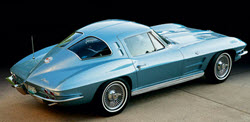
- 1963 Corvette Stingray
- 1964 Corvette Sting Ray
- 1965 Corvette Sting Ray
- 1966 Corvette Sting Ray
- 1967 Corvette Sting Ray
3rd Generation
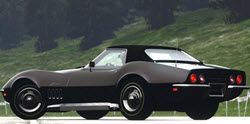
- 1968 Corvette Sting Ray
- 1969 Corvette Sting Ray
- 1970 Corvette Sting Ray
- 1971 Corvette Sting Ray
- 1972 Corvette Sting Ray
- 1973 Corvette Sting Ray
- 1974 Corvette Sting Ray
- 1975 Corvette Sting Ray
- 1976 Corvette Sting Ray
- 1977 Corvette Sting Ray
- 1978 Corvette Sting Ray
- 1979 Corvette Sting Ray
- 1980 Corvette Sting Ray
Modern Corvettes