- see contact page
- Currently offline
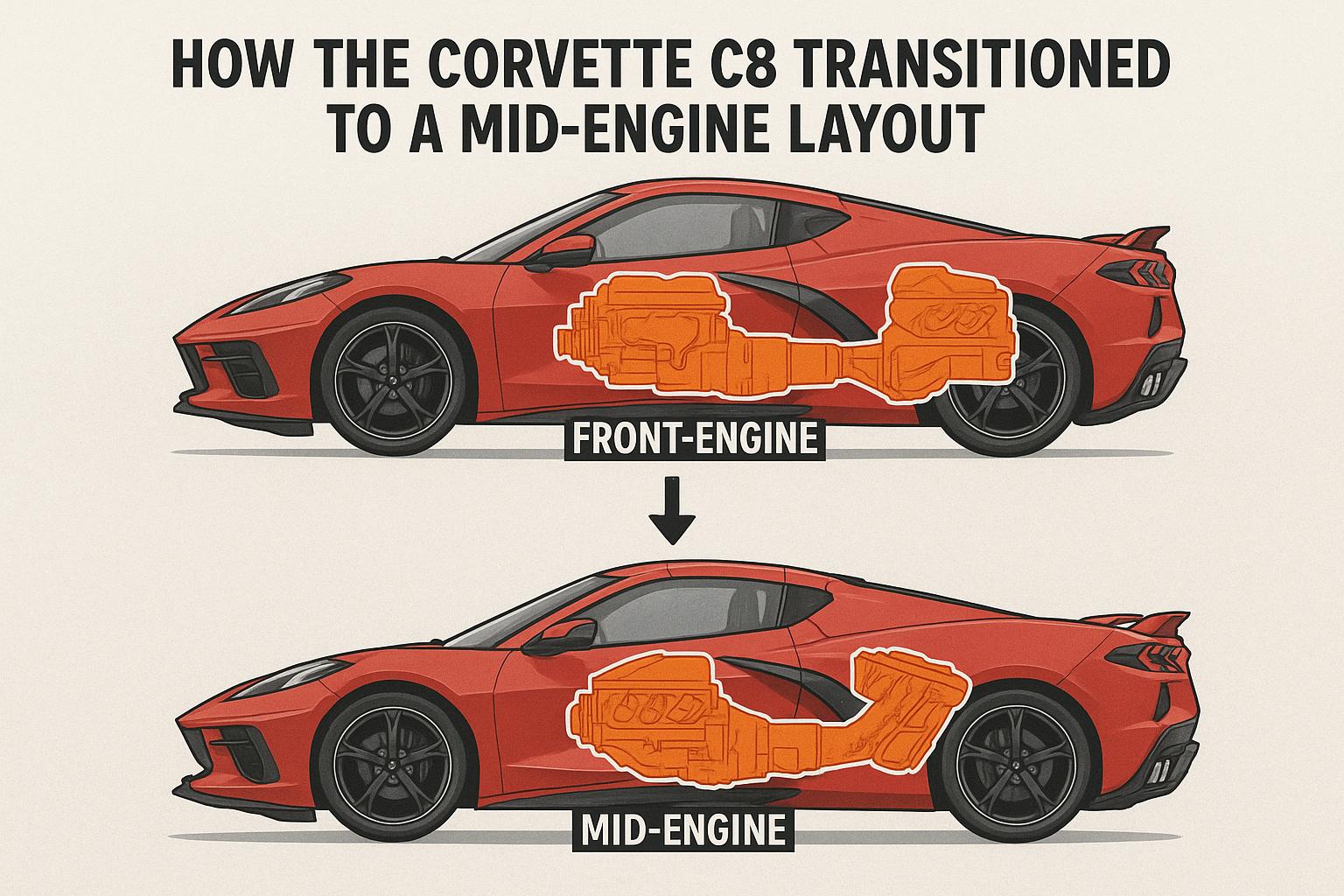
How the Corvette C8 transitioned to a mid-engine layout.
The Evolution of the Corvette C8 to a Mid-Engine Layout
The introduction of the Corvette C8 marked a fundamental shift in the engineering philosophy behind one of America’s most recognized performance cars. For decades, the Corvette followed a consistent formula built around a front-mounted engine and rear-wheel drive. The C8 disrupted that pattern by adopting a mid-engine configuration, placing the engine behind the driver but ahead of the rear axle. This change altered not only the vehicle’s proportions but also its mechanical behavior, manufacturing requirements, and market positioning.
This transition was not a sudden decision. It reflected a long-standing intent within General Motors to explore alternative layouts that could enhance performance capabilities. The C8 represents the outcome of accumulated research, testing, and incremental development carried out over multiple generations of Corvette design.
Historical Context of the Corvette
Since its debut in 1953, the Corvette has served as a platform for experimentation within General Motors. Early models emphasized styling and lightweight construction, while later iterations incorporated increasingly advanced powertrains and suspension systems. Despite these changes, the core architecture remained consistent: a front-mounted engine delivering power to the rear wheels.
Over time, competitors—particularly European manufacturers—demonstrated the advantages of mid-engine configurations in high-performance driving scenarios. Corvette engineers were aware of these developments and explored similar layouts through concept vehicles and internal prototypes as early as the 1960s. However, practical limitations related to cost, manufacturability, and consumer expectations delayed full implementation.
The C7 generation, released in 2014, represented the final refinement of the traditional layout. By that point, engineers had extracted a high level of performance from the front-engine platform, but further gains required more fundamental changes. The C8 was positioned as the next logical step in this evolution.
Why the Mid-Engine Layout?
The decision to adopt a mid-engine design was primarily driven by performance considerations. In a front-engine vehicle, a significant portion of the car’s mass is concentrated over the front axle. While this configuration can offer stability at high speeds, it can limit handling precision, particularly during aggressive cornering.
By relocating the engine closer to the center of the vehicle, engineers achieved improved weight distribution. This balance enhances traction and allows for more predictable handling characteristics. It also reduces the rotational inertia of the car, meaning it can change direction more efficiently.
Another factor was packaging efficiency. A mid-engine layout allows for a lower hood profile and improved aerodynamics. This contributes to reduced drag and increased downforce, both of which are critical for high-performance driving.
Additionally, the change enabled the Corvette to compete more directly with vehicles in the global performance segment. Many established high-performance sports cars use mid-engine configurations because of their inherent advantages in track conditions. The C8’s design aligns with these standards while maintaining a distinct identity.
Engineering and Design Considerations
Transitioning to a mid-engine layout required a comprehensive redesign of the Corvette’s structure. The chassis had to be developed to support the new engine position while maintaining rigidity and safety standards. Engineers introduced an entirely new aluminum structure that provided the necessary strength without excessive weight.
Cooling systems presented another challenge. With the engine relocated behind the passenger compartment, airflow had to be carefully managed to maintain optimal operating temperatures. This led to the integration of larger side air intakes and reconfigured radiators. The placement of these elements was determined through extensive computational analysis and physical testing.
Aerodynamics also played a central role in the C8’s design. The vehicle’s shape was influenced by the need to manage airflow around and through the car. Features such as underbody panels, rear diffusers, and strategically placed vents contribute to stability and cooling efficiency.
Interior design had to adapt as well. The repositioning of the engine reduced available space for storage and required a new approach to cabin layout. Engineers focused on maintaining driver comfort and visibility while accommodating the mechanical components behind the seats. The result is a cockpit-oriented interior with controls angled toward the driver.
Manufacturing processes were updated to support the new architecture. Assembly techniques, material sourcing, and quality control systems were revised to ensure consistency and reliability in production.
Performance Enhancements
The mid-engine configuration significantly influenced the C8’s performance characteristics. With the engine positioned centrally, the car achieves optimal weight distribution, typically close to a 50/50 balance between the front and rear axles. This balance contributes to improved cornering abilities and more stable braking behavior.
Acceleration performance also benefits from the layout. The increased traction at the rear wheels allows for more efficient power delivery, particularly during rapid starts. This reduces wheel spin and enhances overall responsiveness.
The C8 introduced an updated transmission system designed to complement the new configuration. A dual-clutch automatic transmission enables faster and more consistent gear changes compared to traditional manual or automatic systems. This contributes to both performance and drivability.
Suspension systems were recalibrated to align with the new weight distribution. The geometry and damping characteristics were optimized to provide a balance between comfort and precision. Optional adaptive suspension systems allow for adjustments based on driving conditions.
Braking performance saw improvements through the use of larger components and revised cooling strategies. The mid-engine layout supports better weight transfer during braking, contributing to shorter stopping distances and improved control.
The Launch of the Corvette C8
When the Corvette C8 was introduced, it represented a departure from established expectations while retaining key elements of the Corvette identity. Its appearance reflected the functional requirements of the mid-engine design, with a more angular profile and pronounced air intakes.
Reception focused on the technical merits of the redesign as well as its performance capabilities. Observers noted the alignment of the Corvette with broader trends in sports car engineering, particularly in the adoption of configurations traditionally associated with higher-priced vehicles.
The launch also demonstrated Chevrolet’s ability to implement substantial changes without abandoning the model’s core principles. The C8 maintains accessibility relative to its performance level, which has been a defining characteristic of the Corvette lineage.
In summary, the transition to a mid-engine layout required extensive planning, engineering development, and adaptation across multiple aspects of the vehicle. The result is a model that reflects both continuity and change, incorporating lessons from past generations while addressing the demands of modern performance standards.
2nd Generation
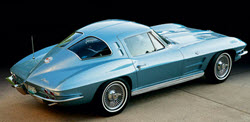
- 1963 Corvette Stingray
- 1964 Corvette Sting Ray
- 1965 Corvette Sting Ray
- 1966 Corvette Sting Ray
- 1967 Corvette Sting Ray
3rd Generation
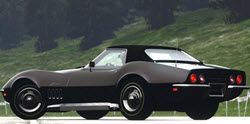
- 1968 Corvette Sting Ray
- 1969 Corvette Sting Ray
- 1970 Corvette Sting Ray
- 1971 Corvette Sting Ray
- 1972 Corvette Sting Ray
- 1973 Corvette Sting Ray
- 1974 Corvette Sting Ray
- 1975 Corvette Sting Ray
- 1976 Corvette Sting Ray
- 1977 Corvette Sting Ray
- 1978 Corvette Sting Ray
- 1979 Corvette Sting Ray
- 1980 Corvette Sting Ray
Modern Corvettes