- see contact page
- Currently offline
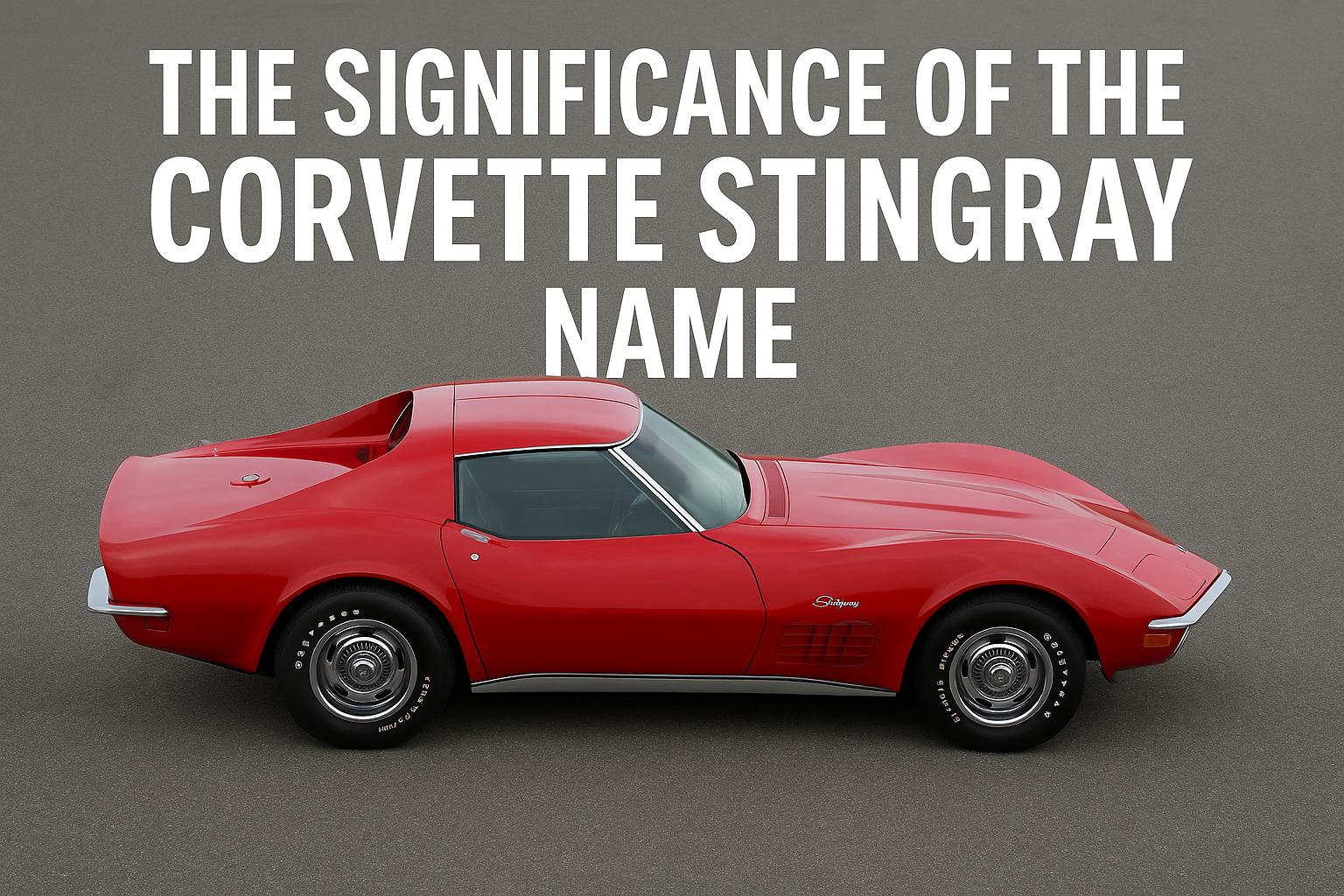
The significance of the Corvette Stingray name.
The Historical Context of the Corvette Stingray Name
The name “Corvette Stingray” carries a rich legacy that is deeply embedded in automotive history. Originally introduced by Chevrolet, the Corvette Stingray is not just an automobile but a significant cultural icon. The name first appeared in the early 1960s, during a time when American car manufacturers were keen to create sports cars that showcased both power and elegance. Chevrolet embarked on a journey to craft a vehicle that would not only perform exceptionally on the road but also captivate the public’s imagination with its design and symbolic value.
Inspiration Behind the Name
The term “Stingray” is derived from the marine creature known for its speed and streamlined shape. This was a fitting metaphor for what Chevrolet aimed to achieve with its Corvette models: a vehicle that combined sleek design with impressive performance capabilities. The stingray, as a species, is admired for its ability to glide smoothly through water, embodying an ideal combination of grace and power. Chevrolet’s decision to incorporate this imagery was strategic, aiming to evoke the same sense of agility and strength in their automobiles. In choosing this name, Chevrolet not only highlighted the car’s aesthetic qualities but also emphasized its exhilarating speed and smooth handling.
This choice of nomenclature also reflects a broader trend in the automotive industry during the 20th century, where animal names were frequently employed to convey characteristics such as agility, fierceness, and speed—attributes that cars were increasingly being designed to emulate. Much like a stingray that moves with precision and grace, Chevrolet’s Corvette aimed to navigate the roads with similar prowess, making it an appealing prospect for speed enthusiasts and casual drivers alike.
The Birth of the Corvette Stingray
The Stingray name was first associated with the Corvette in 1963, marking the introduction of the second generation of Corvettes, often referred to as the *C2* series. This generation brought with it many groundbreaking advancements that would solidify the car’s standing as a leader in sports car innovation. The 1963 Corvette Stingray was revolutionary in several respects. It featured a distinctive split rear window, which, although short-lived due to visibility concerns, remains iconic. The design was influenced by the *Mako Shark*, a concept car developed by Chevrolet, which further underscores the aquatic theme associated with the Stingray name.
The introduction of the *C2* series was not merely about aesthetic improvements. Beneath its captivating exterior, the Corvette Stingray housed engineering feats that enhanced performance and maneuverability. Its chassis design provided a better weight distribution, resulting in a more balanced ride. The interior was crafted to ensure that the driver remained in control even at high speeds, reflecting Chevrolet’s commitment to integrating performance with safety.
Significance in Automotive Design
The Corvette Stingray played a pivotal role in influencing automotive design. Its aerodynamic structure and innovative engineering set new standards for sports cars. The use of fiberglass body panels allowed for a lighter vehicle, enhancing speed and fuel efficiency. This method of construction was rather unconventional at the time, highlighting Chevrolet’s daring approach to automobile design. Fiberglass not only contributed to the car’s agility but also provided resistance against the wear and tear of regular use, marking an era of durability in automobile components.
The keen focus on reducing weight without compromising structural integrity underscored a shifting paradigm in automotive design. Emphasizing form alongside function, the Stingray’s design choices exemplified a key ethos of modern auto design, which prioritizes improving vehicular performance through smart, cutting-edge materials and engineering ingenuity. The Stingray became a forerunner in this aspect, encouraging other manufacturers to innovate and develop lightweight, high-performance vehicles.
Evolution Over the Decades
The Stingray name has persisted through various redesigns and generations of the Corvette. Each iteration has brought new advancements in technology and performance, maintaining the core essence of what the Stingray represents. The ongoing evolution represents a continuous commitment to excellence, with each decade bringing additional technological advancements and design refinements. Whether through improvements in engine efficiency or enhancements in safety features, the Stingray has consistently evolved to meet modern standards while preserving its historical significance.
Advancements such as improved aerodynamics, cutting-edge GPS and navigation systems, and state-of-the-art safety features like airbags and traction control have all contributed to the Stingray’s enduring allure. This evolution serves as a testament to Chevrolet’s enduring commitment to excellence, showcasing their ability to adapt to new challenges while honoring their storied past.
In summary, the Corvette Stingray name is more than a label; it is a testament to a blend of innovation, style, and performance. Its introduction marked a turning point in the automotive industry, influencing not only car design but also consumer perceptions of what a sports car should embody. Over decades, the Stingray has solidified its position as a symbol of American automotive excellence and ingenuity, encapsulating an enduring legacy of quality and sophistication. The continued presence of the Stingray in Chevrolet’s lineup underscores its legacy and the unwavering dedication to pushing the boundaries of performance and design in the automotive world.
2nd Generation
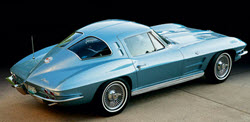
- 1963 Corvette Stingray
- 1964 Corvette Sting Ray
- 1965 Corvette Sting Ray
- 1966 Corvette Sting Ray
- 1967 Corvette Sting Ray
3rd Generation
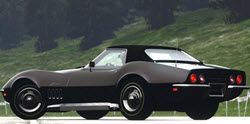
- 1968 Corvette Sting Ray
- 1969 Corvette Sting Ray
- 1970 Corvette Sting Ray
- 1971 Corvette Sting Ray
- 1972 Corvette Sting Ray
- 1973 Corvette Sting Ray
- 1974 Corvette Sting Ray
- 1975 Corvette Sting Ray
- 1976 Corvette Sting Ray
- 1977 Corvette Sting Ray
- 1978 Corvette Sting Ray
- 1979 Corvette Sting Ray
- 1980 Corvette Sting Ray
Modern Corvettes