- see contact page
- Currently offline
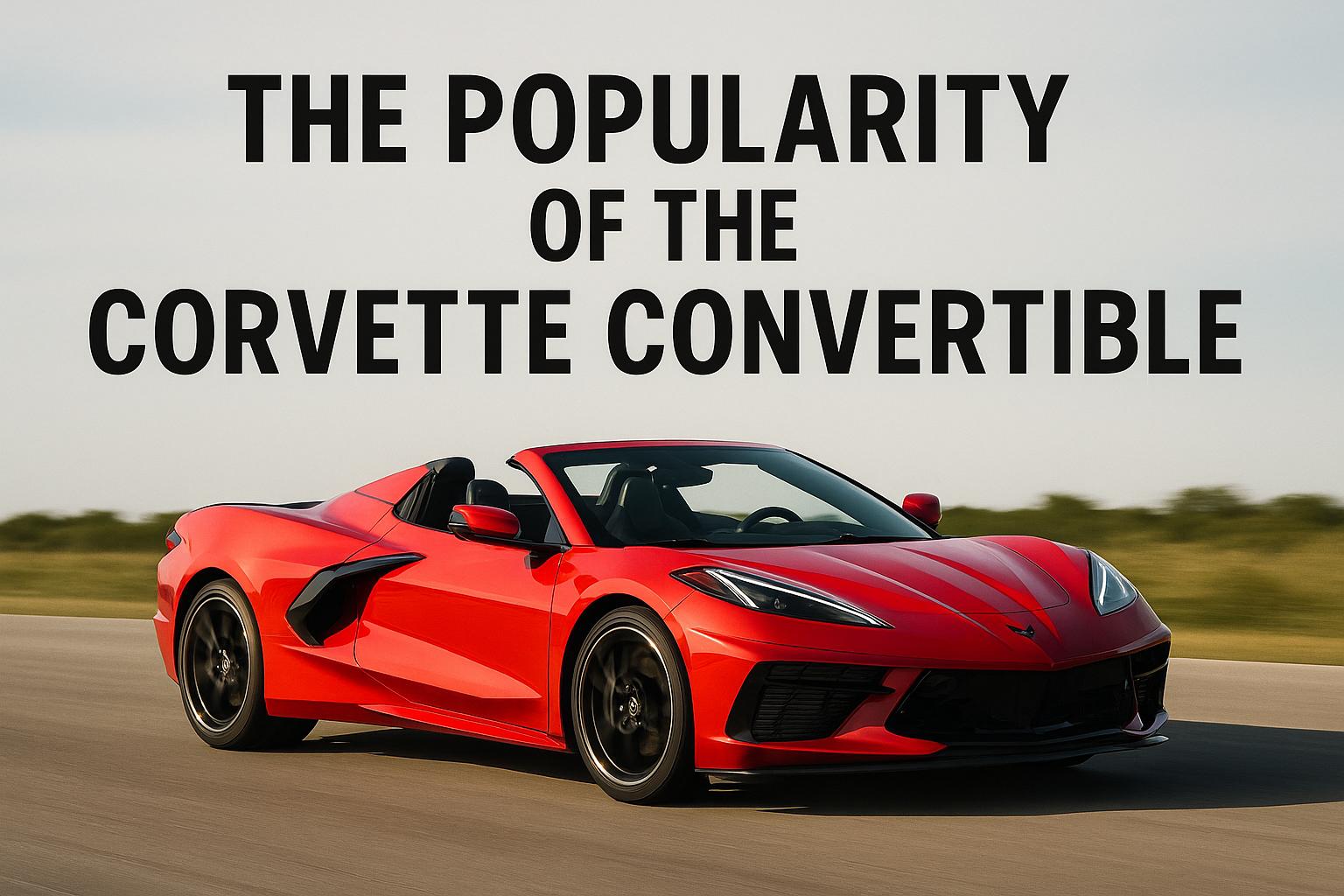
The popularity of the Corvette Convertible.
The Rise in Popularity of the Corvette Convertible
The Corvette has maintained a distinct position within the automotive landscape for decades, recognized for its blend of performance, design, and accessibility relative to other sports cars. Within this legacy, the Corvette Convertible has experienced a noticeable rise in popularity among a broader range of drivers. This shift is not limited to traditional enthusiasts but includes new buyers drawn by advancements in engineering, evolving consumer preferences, and the car’s adaptability to modern expectations. The convertible variant, once considered more niche due to structural compromises or seasonal limitations, has become increasingly practical and desirable due to improvements in manufacturing and design.
One significant factor in this growth is the refinement of convertible technology itself. Earlier generations of open-top sports cars often struggled with rigidity and noise insulation. Modern Corvette Convertibles, however, have largely addressed these concerns, offering structural integrity comparable to coupe versions while maintaining the benefits of open-air driving. This balance has helped reposition the convertible as a viable everyday performance vehicle rather than a purely recreational option.
Design and Performance
The Corvette Convertible continues to distinguish itself through its striking design and superior performance. Recent models, particularly those featuring mid-engine layouts, have introduced a more aggressive and globally competitive aesthetic. The lower stance, sculpted lines, and optimized airflow contribute not only to visual appeal but also to enhanced aerodynamic efficiency. These design elements support higher speeds and improved stability, reinforcing the vehicle’s performance credentials.
Underneath the exterior, the engineering prowess of the Corvette Convertible is evident in its powertrain and chassis development. High-output engines deliver rapid acceleration and sustained high-speed capability, while refined transmission systems provide smooth and responsive gear changes. The integration of performance-focused components such as adaptive suspension and performance exhaust systems ensures that the driving experience remains engaging across different conditions.
At the same time, attention has been given to usability. The convertible roof mechanism is typically engineered for quick deployment, often operable at low speeds, which adds convenience without interrupting the driving experience. These practical considerations contribute to the model’s growing appeal among drivers who expect both performance and everyday usability.
Technological Advancements
Technological development has played a central role in expanding the Corvette Convertible’s audience. Modern models incorporate advanced driver assistance systems designed to enhance safety without diminishing driver engagement. Features such as stability control refinement, traction management, and selectable driving modes allow the car to adapt to varying road conditions and driver preferences.
Inside the cabin, digital interfaces and connectivity options reflect broader trends in the automotive industry. High-resolution displays, customizable instrument clusters, and integrated infotainment systems provide access to navigation, media, and performance data. These systems are designed with usability in mind, ensuring that drivers can interact with them without distraction.
Performance technology has also progressed significantly. Magnetic ride control and other adaptive suspension systems continuously adjust damping characteristics in response to road conditions, improving both handling and ride comfort. Brake systems have also seen enhancement, with improved materials and cooling designs that support consistent performance during demanding driving scenarios. These advancements reduce the compromises traditionally associated with convertibles, aligning them more closely with their coupe counterparts.
Cultural Impact
Beyond its mechanical attributes, the Corvette Convertible maintains a strong cultural presence. It has long been associated with the broader concept of American automotive identity, emphasizing independence, mobility, and performance. This association has been reinforced through decades of appearances in film, television, and advertising, where the vehicle often symbolizes achievement or transition.
The convertible variant, in particular, emphasizes visibility and experiential driving. Open-top motoring introduces a different level of interaction with the environment, which has contributed to its sustained appeal. This sensory aspect, combined with the Corvette’s performance reputation, strengthens its role as more than just a transportation device.
Cultural relevance is also shaped by generational shifts. While earlier buyers may have been drawn primarily by performance metrics, newer audiences often value a combination of experience, design, and technology. The Corvette Convertible manages to bridge these expectations, maintaining continuity with its heritage while adapting to contemporary preferences.
Market Trends
Changes in the sports car market have further supported the rise of the Corvette Convertible. There is a growing preference for vehicles that offer a balance of luxury and performance without reaching the pricing levels traditionally associated with exotic brands. The Corvette has consistently occupied this space, offering high performance at a comparatively lower cost.
Additionally, consumers increasingly seek versatility. Vehicles that can serve both as performance machines and as comfortable touring options are gaining traction. The Corvette Convertible aligns with this trend by offering refined interiors, storage solutions, and improved ride quality alongside its performance capabilities.
Global competition has also influenced development. As international manufacturers introduce new sports car models, expectations around quality, technology, and performance continue to rise. The Corvette Convertible’s evolution reflects this competitive environment, incorporating features and design philosophies that appeal to a broader, more discerning audience.
Production efficiency and improved manufacturing processes have also made convertible variants more accessible. Advances in materials and assembly techniques reduce the cost and complexity associated with convertible structures, allowing manufacturers to offer them at price points that attract a wider customer base.
In conclusion, the growing popularity of the Corvette Convertible is the result of multiple interconnected factors. Improvements in design integrity, advances in technology, and shifts in consumer expectations have transformed the convertible from a niche offering into a mainstream performance choice. Its continued cultural relevance and alignment with market trends suggest that this upward trajectory is likely to persist, reinforcing its position within the modern sports car segment.
2nd Generation

- 1963 Corvette Stingray
- 1964 Corvette Sting Ray
- 1965 Corvette Sting Ray
- 1966 Corvette Sting Ray
- 1967 Corvette Sting Ray
3rd Generation
- 1968 Corvette Sting Ray
- 1969 Corvette Sting Ray
- 1970 Corvette Sting Ray
- 1971 Corvette Sting Ray
- 1972 Corvette Sting Ray
- 1973 Corvette Sting Ray
- 1974 Corvette Sting Ray
- 1975 Corvette Sting Ray
- 1976 Corvette Sting Ray
- 1977 Corvette Sting Ray
- 1978 Corvette Sting Ray
- 1979 Corvette Sting Ray
- 1980 Corvette Sting Ray
Modern Corvettes