
- see contact page
- Currently offline

Limited edition Corvette models and their value.
Overview of Limited Edition Corvette Models
Since its introduction in 1953, the Corvette has evolved through multiple design generations while maintaining its position as a flagship American sports car. Alongside standard production models, Chevrolet has periodically introduced limited edition Corvettes that reflect milestones in the brand’s history, technological advancements, and motorsport achievements. These editions often combine aesthetic distinctions with performance upgrades, offering buyers a version of the Corvette that is both collectible and functionally enhanced.
Limited edition Corvettes are typically produced in relatively small quantities compared to standard models. This constrained production helps reinforce their exclusivity and contributes to their long-term desirability. In many cases, these specials include unique paint colors, badging, interior trim, and performance packages not available on regular models. Some editions are tied to specific anniversaries, while others commemorate racing victories or partnerships with designers and performance engineers.
In addition to visual elements, limited edition Corvettes often introduce or highlight new technologies. Features such as advanced suspension systems, lightweight materials, and upgraded braking components are frequently tested or showcased in these special runs. As a result, they sometimes serve as transitional models that preview innovations later adopted more broadly across the Corvette lineup.
Historical Context and Development
The practice of producing limited edition Corvettes gained stronger momentum in the later decades of production, particularly from the 1980s onward. As Corvette matured into a globally recognized performance vehicle, Chevrolet began to leverage its heritage more deliberately through special editions. These models not only celebrated key anniversaries but also reinforced the connection between the Corvette brand and American performance culture.
Earlier limited editions were often subtle in their differentiation, focusing mainly on paint schemes and trim variations. Over time, however, these editions became more comprehensive, incorporating mechanical upgrades and engineering changes. By the 2000s, limited edition Corvettes frequently included performance enhancements that made them appealing not only as collectibles but also as capable track vehicles.
Notable Limited Edition Corvette Models
Several limited edition Corvettes have played a significant role in shaping the model’s legacy. These vehicles are often referenced in discussions of collectible sports cars due to their distinctive features and historical importance.
Corvette Z06 Carbon Edition: Introduced in 2011, this model emphasized performance rooted in endurance racing. The use of carbon fiber components reduced weight while improving structural rigidity. It also featured Brembo carbon ceramic brakes and Magnetic Selective Ride Control, contributing to improved handling and braking performance. Distinct exterior accents and interior detailing further differentiated it from the standard Z06, creating a cohesive package that appealed to both track enthusiasts and collectors.
Corvette 50th Anniversary Edition: Released in 2003, this edition commemorated five decades of Corvette production. It featured a unique Anniversary Red Metallic paint finish combined with a shale-colored interior. Beyond its cosmetic identity, it included Magnetic Selective Ride Control as standard equipment, marking an important technological step forward for the model. Available in both coupe and convertible formats, it achieved relatively wide distribution while still maintaining a sense of exclusivity.
Corvette Grand Sport (2010 Special Edition): Although the Grand Sport name dates back to the 1960s, its modern reintroduction included limited production variants with specific performance packages. These models combined elements of the base Corvette and the Z06, offering enhanced handling and wider bodywork without the full power output of higher-tier models. The Grand Sport variants demonstrated how limited editions could bridge gaps within the lineup.
Corvette C7.R Edition (2016): Created to celebrate the success of Corvette Racing in endurance competition, this edition featured a distinctive yellow paint scheme with racing-inspired graphics. It incorporated performance upgrades and cosmetic elements that directly referenced the C7.R race car, reinforcing the connection between production and motorsport.
Factors Influencing the Value of Limited Edition Corvettes
The market value of limited edition Corvettes depends on several measurable and subjective factors. While all Corvettes have a baseline level of desirability due to brand recognition, limited editions introduce additional variables that can significantly influence pricing.
Rarity and Production Numbers: Lower production volumes generally correlate with higher long-term value. Vehicles produced in limited quantities are less likely to depreciate at the same rate as mass-produced models. However, rarity alone is not sufficient; the edition must also have recognizable significance or unique attributes that differentiate it meaningfully from standard versions.
Condition and Originality: Condition remains one of the most critical determinants of value. Vehicles with low mileage, minimal wear, and properly maintained mechanical systems tend to command higher prices. Originality is equally important; cars that retain factory components, finishes, and documentation are typically more desirable than those that have been modified or restored with non-original parts.
Historical Significance: Editions tied to notable events, such as racing victories or major anniversaries, often carry additional value due to their narrative context. A model associated with a successful racing program or technological milestone can become more attractive to collectors seeking historical relevance.
Market Trends: Broader economic conditions and shifts in collector preferences also play a role. Periods of increased interest in classic or performance vehicles may elevate prices across the entire Corvette market. Conversely, changes in demand can affect the perceived value of specific editions.
Ownership Considerations
Owning a limited edition Corvette involves considerations that extend beyond initial purchase price. Maintenance practices, storage conditions, and usage patterns all influence long-term value and performance. Owners often face a balance between preserving the vehicle as a collectible and using it as intended.
Proper storage in a controlled environment helps protect paint, interior materials, and mechanical components from deterioration. Documentation, including original purchase records, build sheets, and maintenance history, contributes to the vehicle’s provenance and can enhance resale value. Insurance considerations may also differ from standard vehicles, particularly for models recognized as collectibles.
Some owners choose to limit mileage to preserve condition, while others prioritize the driving experience. Both approaches have implications for value and maintenance. Vehicles that are driven regularly may require more frequent servicing but can benefit from continued mechanical operation.
Investment Potential of Limited Edition Corvettes
Limited edition Corvettes are often viewed as potential investment assets, though outcomes can vary. Certain models have demonstrated consistent appreciation over time, particularly those with strong historical significance and limited production numbers. However, not all editions experience the same level of demand.
Prospective buyers should evaluate multiple factors before treating a Corvette as an investment. Research into production data, historical pricing trends, and current market demand is essential. It is also important to consider ownership costs, including maintenance, insurance, and storage, as these can offset potential gains.
Diversification within a collection may reduce risk. Rather than focusing on a single model, some collectors acquire multiple editions with different characteristics, such as varying production years or performance levels. This approach can help balance fluctuations in market interest.
Further Reading and Resources
Individuals interested in expanding their understanding of limited edition Corvettes can consult a range of specialized resources. Automotive publications, enthusiast forums, and archival materials provide detailed information on production history and model specifications. These sources often include firsthand accounts from owners and experts, offering practical insights into maintenance and valuation.
For current market trends and professional appraisals, collectors may consider platforms that track vehicle values and historical sales data. One such resource is Hagerty, which provides valuation tools and market analysis for classic and collectible vehicles. By combining historical research with current market data, buyers and owners can develop a more comprehensive understanding of limited edition Corvette models and their place within the broader automotive landscape.
2nd Generation
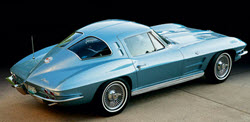
- 1963 Corvette Stingray
- 1964 Corvette Sting Ray
- 1965 Corvette Sting Ray
- 1966 Corvette Sting Ray
- 1967 Corvette Sting Ray
3rd Generation
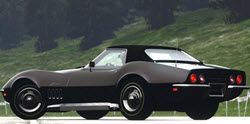
- 1968 Corvette Sting Ray
- 1969 Corvette Sting Ray
- 1970 Corvette Sting Ray
- 1971 Corvette Sting Ray
- 1972 Corvette Sting Ray
- 1973 Corvette Sting Ray
- 1974 Corvette Sting Ray
- 1975 Corvette Sting Ray
- 1976 Corvette Sting Ray
- 1977 Corvette Sting Ray
- 1978 Corvette Sting Ray
- 1979 Corvette Sting Ray
- 1980 Corvette Sting Ray
Modern Corvettes