- see contact page
- Currently offline
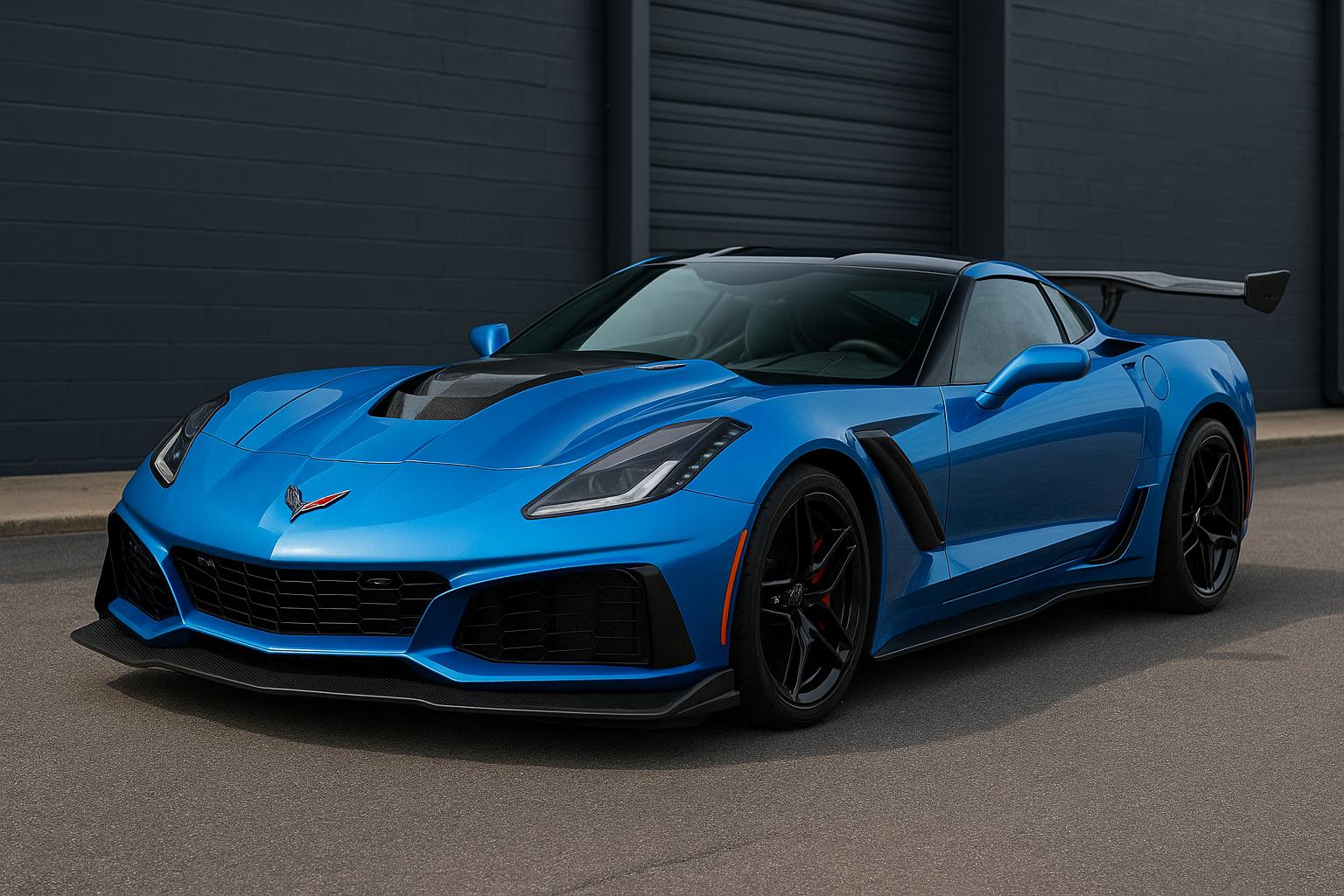
The high-performance Corvette ZR1 models.
The High-Performance Corvette ZR1 Models Overview
The Corvette ZR1 models represent the upper tier of Chevrolet’s performance engineering, combining advanced mechanical design, high-output powertrains, and track-oriented technologies. Positioned at the top of the Corvette lineup, the ZR1 designation has consistently signaled a focus on maximum capability. These vehicles are engineered not only for acceleration and top speed, but also for sustained high-performance operation under demanding driving conditions. Over multiple generations, the ZR1 has served as a platform for testing and implementing cutting-edge automotive technologies within a production sports car framework.
History and Evolution
The ZR1 designation first appeared in the early 1970s as a special performance package for the C3 Corvette. Rather than emphasizing comfort or visual upgrades, the original ZR1 package focused on weight reduction and track readiness, offering features such as upgraded suspension, heavy-duty brakes, and a high-performance engine configuration. Production numbers were limited, and the model quickly became a reference point for purpose-built Corvette variants.
The modern interpretation of the ZR1 began with the C4 generation in 1990. This version marked a significant technological shift, particularly with the introduction of the LT5 engine, developed in collaboration with Lotus Engineering. The LT5 was an all-aluminum, dual overhead cam V8 engine that differed substantially from traditional pushrod Corvette engines. It produced high output for its time while maintaining reliability and drivability. This generation also incorporated advanced materials and electronic systems, signaling a move toward more complex engineering solutions.
The ZR1 name returned again with the C6 generation in 2009. This iteration introduced the LS9 supercharged 6.2-liter V8, which significantly increased power output and positioned the ZR1 among the most powerful production vehicles globally at the time. The use of a supercharger, along with improvements in cooling systems and structural rigidity, allowed the car to maintain performance under extended high-load conditions.
The C7 ZR1, launched in 2019, continued this progression by refining both power delivery and aerodynamic efficiency. Equipped with an updated LT5 engine producing 755 horsepower, this model integrated advanced airflow management systems and offered configurable aerodynamic packages. The C7 ZR1 demonstrated how incremental engineering improvements can result in measurable gains in both lap times and overall performance consistency.
Key Performance Features
The defining characteristic of the ZR1 models lies in their approach to performance engineering. Each generation incorporates purpose-built engines designed to deliver high power output while maintaining mechanical durability. Technologies such as direct fuel injection, variable valve timing, and forced induction systems are used to optimize combustion efficiency and responsiveness across a wide range of operating conditions.
Beyond the engine, drivetrain components are engineered to handle increased loads. Reinforced transmissions, performance-focused gear ratios, and specialized cooling systems contribute to sustained performance during track use. Braking systems are also a critical focus, with many ZR1 models utilizing carbon-ceramic brake components to reduce fade and improve stopping consistency under repeated high-speed braking scenarios.
The chassis and suspension systems are equally important. Magnetic ride control, an adaptive suspension technology, allows real-time adjustments to damping characteristics based on road conditions and driver input. This system enhances both handling precision and ride quality, supporting the dual-purpose nature of the ZR1 as both a track-capable and road-usable vehicle.
Advanced Aerodynamics and Engineering
Aerodynamic development is a central element of the ZR1’s design. Engineers focus on achieving a balance between downforce and drag reduction, as both factors directly influence performance. Components such as front splitters, rear wings, and underbody panels are designed using computational fluid dynamics and wind tunnel testing.
In later generations, particularly the C7 ZR1, multiple aerodynamic configurations were offered. These included adjustable rear wings that allow drivers to prioritize either top speed or maximum downforce depending on driving conditions. Larger wings generate increased downforce, improving tire grip during cornering and braking, while smaller configurations reduce drag for higher straight-line efficiency.
Cooling is also closely tied to aerodynamic design. Airflow channels are integrated into the body to direct air toward key components such as the engine, brakes, and transmission. This ensures that the vehicle can maintain peak performance without overheating, even during extended high-speed driving sessions.
The use of lightweight materials further enhances aerodynamic effectiveness. Components made from carbon fiber reduce overall vehicle weight while maintaining structural strength. Lower weight improves acceleration, braking, and handling responsiveness, all of which contribute to the ZR1’s performance profile.
Track Capabilities and Everyday Use
Although the ZR1 is engineered with track performance in mind, it also maintains a level of practicality that supports everyday use. This balance is achieved through adjustable systems and integrated driver assistance technologies. Drivers can select different driving modes that modify throttle response, suspension stiffness, steering feel, and traction control settings.
On the track, these systems allow for precise vehicle control and adaptability to different driving styles. For example, reduced traction control intervention can enable more aggressive cornering techniques, while firmer suspension settings enhance feedback and stability at high speeds. At the same time, more conservative settings provide additional margin for control in less predictable conditions.
In daily driving scenarios, the ZR1 offers a more compliant setup. Suspension systems can soften to absorb road imperfections, and cabin noise levels are moderated to improve comfort. Interior features include digital instrumentation, infotainment systems, and ergonomic seating designed for extended use. These elements ensure that the vehicle remains functional beyond performance-focused environments.
Practical considerations such as storage capacity, fuel efficiency relative to performance output, and driver visibility are also addressed, allowing the ZR1 to operate effectively outside of specialized driving contexts. While it remains a high-performance vehicle, it does not require constant track conditions to be utilized effectively.
These combined capabilities illustrate how the ZR1 integrates advanced engineering with usability. The model continues to evolve alongside automotive technology, maintaining its role as a benchmark for performance within the Corvette lineup.
2nd Generation
- 1963 Corvette Stingray
- 1964 Corvette Sting Ray
- 1965 Corvette Sting Ray
- 1966 Corvette Sting Ray
- 1967 Corvette Sting Ray
3rd Generation
- 1968 Corvette Sting Ray
- 1969 Corvette Sting Ray
- 1970 Corvette Sting Ray
- 1971 Corvette Sting Ray
- 1972 Corvette Sting Ray
- 1973 Corvette Sting Ray
- 1974 Corvette Sting Ray
- 1975 Corvette Sting Ray
- 1976 Corvette Sting Ray
- 1977 Corvette Sting Ray
- 1978 Corvette Sting Ray
- 1979 Corvette Sting Ray
- 1980 Corvette Sting Ray
Modern Corvettes