- see contact page
- Currently offline
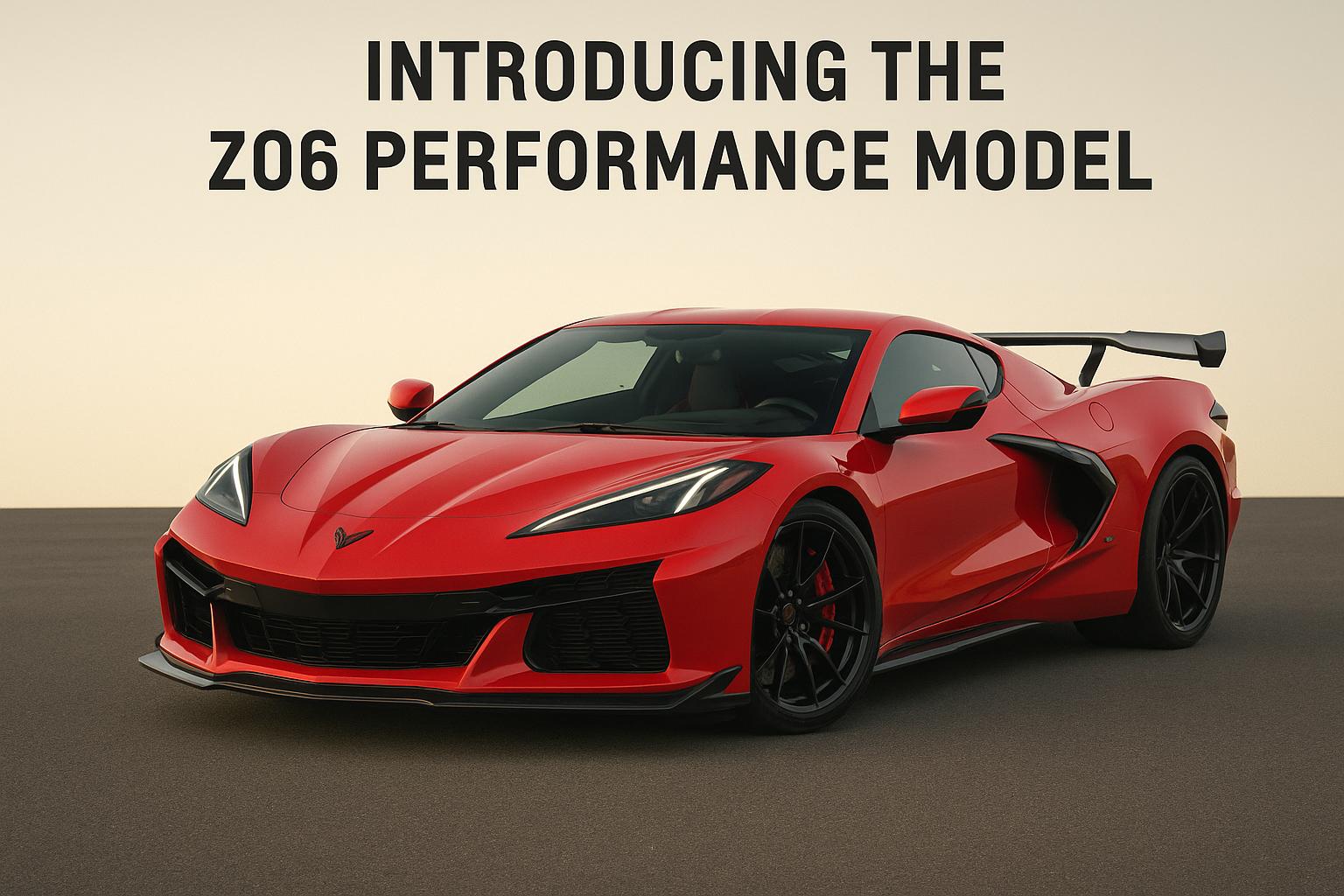
The introduction of the Z06 performance model.
Overview of the Z06 Performance Model
The Z06 performance model represents a significant development within the modern sports car segment, particularly as an extension of the long-established Corvette series produced by Chevrolet. Over successive generations, the Corvette platform has evolved from a traditional front-engine sports car into a technologically advanced performance vehicle, and the Z06 variant has consistently served as a more track-focused interpretation of that foundation. The designation “Z06” has historically indicated a configuration centered on increased power, improved aerodynamics, and enhanced chassis capability, positioning it as a more specialized option compared to standard trims.
In contemporary iterations, the Z06 reflects broader trends in the automotive industry, including the adoption of precision engineering techniques, computational aerodynamics, and integrated electronic control systems. While it remains road-legal and suitable for everyday use, its engineering priorities are strongly aligned with high-speed stability, lap-time performance, and driver control under demanding conditions. This dual-purpose character is fundamental to its identity within the Corvette lineup.
Specifications and Features
The Z06 model is distinguished by a combination of structural refinement and performance-driven design elements. Central to its construction is a lightweight chassis architecture that utilizes materials such as aluminum and composite panels to reduce overall mass while maintaining rigidity. This structural integrity allows for more precise suspension tuning and improved responsiveness during aggressive driving scenarios.
Aerodynamic efficiency is addressed through carefully shaped body panels and functional airflow management. Components such as front splitters, side air intakes, and rear diffusers are not purely cosmetic; they are engineered to manage air pressure and cooling requirements. In certain configurations, aerodynamic packages can be enhanced to increase downforce, particularly for track usage.
The braking system is another defining feature. High-performance brake assemblies, often incorporating carbon-ceramic rotors, provide strong fade resistance and consistent stopping power under repeated high-speed braking conditions. This is complemented by performance tires designed to maximize grip across a range of temperatures and surfaces.
Inside the cabin, the Z06 integrates driver-focused ergonomics with modern technology. The seating position, steering wheel design, and control layout are oriented toward minimizing distraction and maximizing accessibility. Digital instrument clusters and configurable displays allow drivers to monitor vehicle performance metrics in real time. Infotainment systems support connectivity features while remaining secondary to the primary driving experience.
Engine and Performance
At the core of the Z06 is a naturally aspirated or highly refined V8 engine, depending on the generation. In more recent versions, the engine has adopted a flat-plane crankshaft configuration, which differs from traditional cross-plane designs commonly found in American V8 engines. This configuration enables higher revving capability and improved airflow characteristics, contributing to both horsepower output and throttle response.
The engine is engineered to deliver substantial power across a broad RPM range. High compression ratios, advanced fuel delivery systems, and precision valve timing all contribute to efficient combustion and consistent performance. Cooling systems are also upgraded to manage the increased thermal load associated with sustained high-speed operation.
Power delivery is managed through a dual-clutch transmission, which enables rapid gear changes with minimal interruption to torque output. This type of transmission is particularly suited to performance driving, as it provides both automatic convenience and manual control when desired. Drivers can select shift strategies depending on driving conditions, whether prioritizing smoothness or maximum acceleration.
The exhaust system plays a functional and regulatory role. Beyond managing emissions, it is tuned to optimize back pressure and airflow, which contributes directly to engine efficiency. Variable exhaust valves in some configurations allow adjustment between quieter operation and a more performance-oriented output.
Driving Experience
The driving experience of the Z06 is shaped by its integration of mechanical precision and electronic control systems. Multiple driving modes allow the vehicle to adapt its behavior, adjusting parameters such as throttle response, suspension stiffness, steering feedback, and traction control thresholds. These modes enable a transition from relatively compliant road driving to a more rigid, track-oriented setup.
Suspension systems often include magnetorheological dampers, which can alter their characteristics in real time based on road conditions and driver inputs. This technology contributes to both ride comfort and handling stability, allowing the vehicle to maintain tire contact and control across varying surfaces.
Steering calibration emphasizes accuracy and consistency, providing feedback that helps the driver interpret grip levels and vehicle dynamics. Combined with a low center of gravity and balanced weight distribution, the Z06 is designed to remain stable during cornering while allowing precise directional changes.
Driver assistance features are present but typically less intrusive than in standard consumer vehicles. Systems such as traction control and stability management can be adjusted or reduced to allow experienced drivers greater control, particularly in controlled environments such as racetracks.
Market Position
Within the global performance car market, the Z06 occupies a distinct position as a mid-to-high-tier sports car that emphasizes engineering capability relative to cost. It competes with performance models from European manufacturers that often feature higher price points but similar levels of performance and technological sophistication.
One of the defining characteristics of the Z06 is its balance between accessibility and specialization. While it incorporates advanced engineering features typically associated with more expensive vehicles, it remains comparatively attainable within the sports car segment. This positioning has contributed to its appeal among performance enthusiasts who prioritize measurable capability over brand exclusivity.
The Z06 also reflects a broader shift in American automotive engineering, demonstrating a move toward global competitiveness in areas such as chassis tuning, engine efficiency, and aerodynamic development. As a result, it serves not only as a performance vehicle but also as a representation of evolving design and production philosophies.
Availability and Pricing
The Z06 is distributed through authorized Chevrolet dealerships, with availability varying by region and production cycle. Customers can configure vehicles with a wide range of options, including performance packages, interior materials, and exterior finishes. These customization options allow for a degree of personalization while maintaining the core performance characteristics of the model.
Pricing is influenced by multiple factors, including selected features, optional packages, and market conditions. Base configurations typically align with other vehicles in the high-performance sports car category, while fully equipped variants can approach higher price ranges due to advanced components such as carbon fiber elements or specialized braking systems.
Production volumes for the Z06 are often limited relative to standard models, which can affect availability and delivery timelines. Prospective buyers generally engage with dealerships to obtain detailed specifications, finalize configurations, and receive updated information regarding production schedules.
2nd Generation
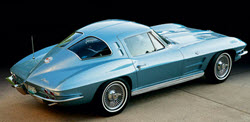
- 1963 Corvette Stingray
- 1964 Corvette Sting Ray
- 1965 Corvette Sting Ray
- 1966 Corvette Sting Ray
- 1967 Corvette Sting Ray
3rd Generation
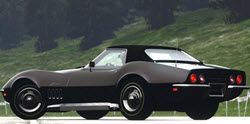
- 1968 Corvette Sting Ray
- 1969 Corvette Sting Ray
- 1970 Corvette Sting Ray
- 1971 Corvette Sting Ray
- 1972 Corvette Sting Ray
- 1973 Corvette Sting Ray
- 1974 Corvette Sting Ray
- 1975 Corvette Sting Ray
- 1976 Corvette Sting Ray
- 1977 Corvette Sting Ray
- 1978 Corvette Sting Ray
- 1979 Corvette Sting Ray
- 1980 Corvette Sting Ray
Modern Corvettes